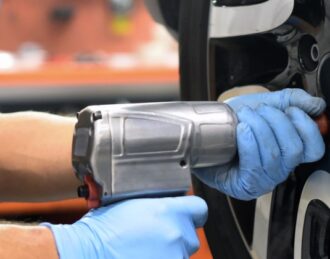
Prepare Your Car for Winter: Essential Tips
Essential Tips to Winterize Your Car Winter is just around the corner, and it’s time to prepare your car for the cold months ahead. Ensuring your vehicle is ready for winter is crucial for safety and performance. Cold weather can take a toll on your car, affecting everything from the battery to the tires. By taking a few simple steps, you can avoid common winter driving issues. From checking your antifreeze to stocking an emergency kit, preparation is key. These measures not only protect your car but also enhance your driving experience. In this guide, we’ll explore essential tips to winterize your car. Follow these steps to keep your vehicle running smoothly and safely all winter long. Why You Need to Prepare Your Car for Winter Winter brings harsh conditions that can challenge your vehicle. Preparing your car for winter ensures that it performs well and keeps you safe. Snow, ice, and freezing temperatures all pose risks that you can mitigate with proper maintenance. Neglecting winter preparation can lead to breakdowns and accidents. Cold temperatures affect your car’s battery, tires, and fluids. Each of these components needs attention to ensure they function correctly in winter conditions. A few key preparation steps can make a big difference. Here’s why it’s essential: Improves Safety: Proper tire traction reduces the chance of skids. Prevents Engine Damage: Antifreeze stops engines from freezing. Maintains Comfort: Heating systems keep you warm and defrost windows. Check and Maintain Your Tires Tires are your primary contact with the road, making them crucial for winter safety. As temperatures drop, tire pressure decreases, affecting traction and handling. Checking tire pressure regularly ensures that your tires are properly inflated. Winter tires provide better grip on snow and ice. They have deeper treads and softer rubber compounds designed for cold weather. Consider switching to winter tires if you frequently drive in harsh winter conditions. In addition to using winter tires, inspect tread depth. Adequate tread is vital for effective traction and water displacement. Uneven wear can signal alignment issues, which should be corrected before winter sets in. Here’s a quick tire checklist to follow: Check Tire Pressure: Inflate according to the manufacturer’s recommendations. Inspect Tread Depth: Ensure it meets legal and safety standards. Install Winter Tires: Improve traction on snowy and icy roads. Inspect and Protect Your Battery Cold weather puts a strain on car batteries. It reduces their capacity and efficiency. Testing your battery before winter can prevent unexpected failures. A weak battery may struggle to start your car on frosty mornings. In addition to testing, clean the battery terminals. Remove any corrosion that may affect performance. Make sure battery cables are secure to avoid interruptions in power flow. Here’s how to keep your battery in top shape: Test Battery Charge: Verify it holds an adequate charge. Clean Terminals: Remove corrosion with a mixture of baking soda and water. Secure Connections: Ensure all cables are tight and undamaged. Top Off and Replace Essential Fluids Fluids are crucial for a car’s function, especially in winter. Cold temperatures can cause liquids to thicken or even freeze. This reduces their effectiveness. Therefore, it’s important to monitor and maintain fluid levels. […]
Read more